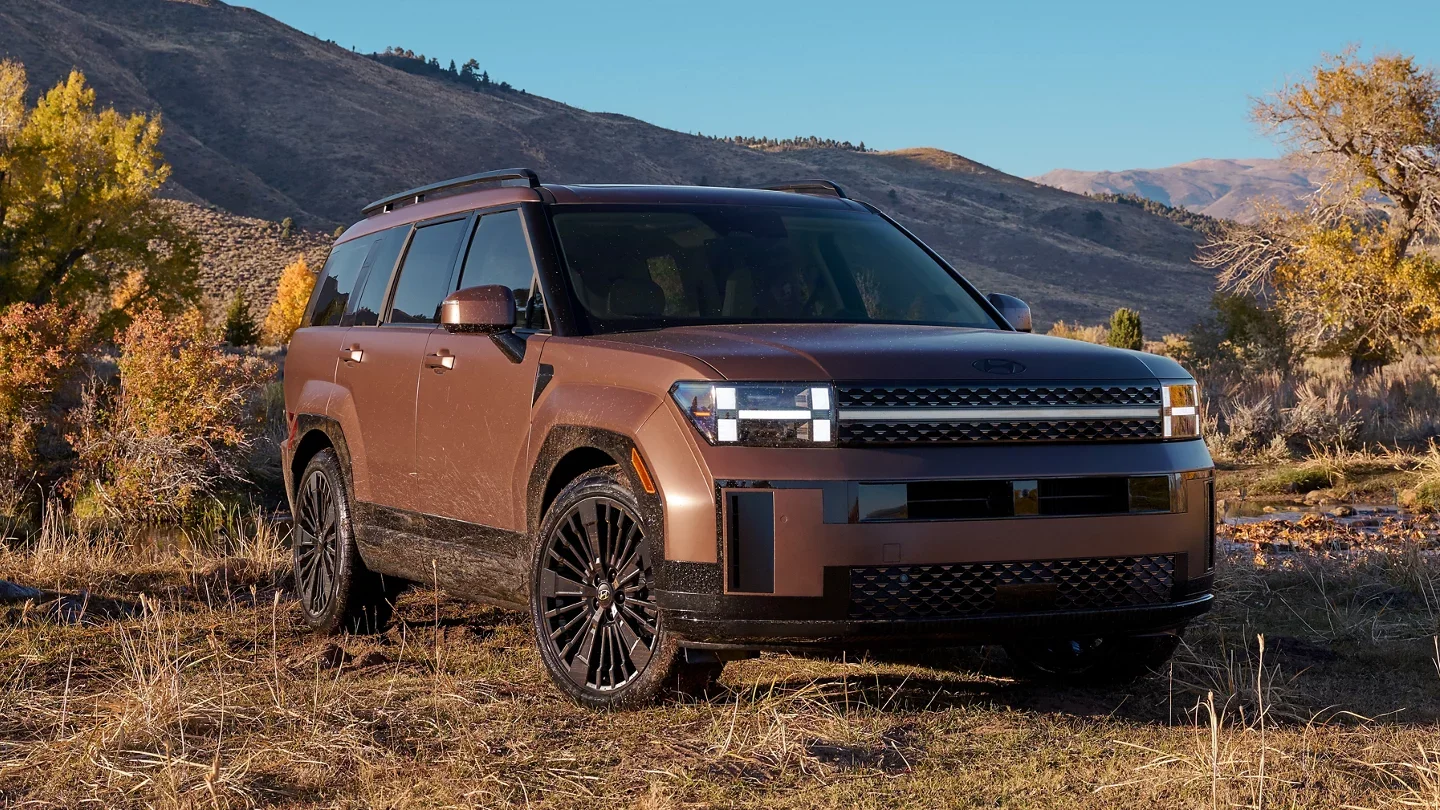



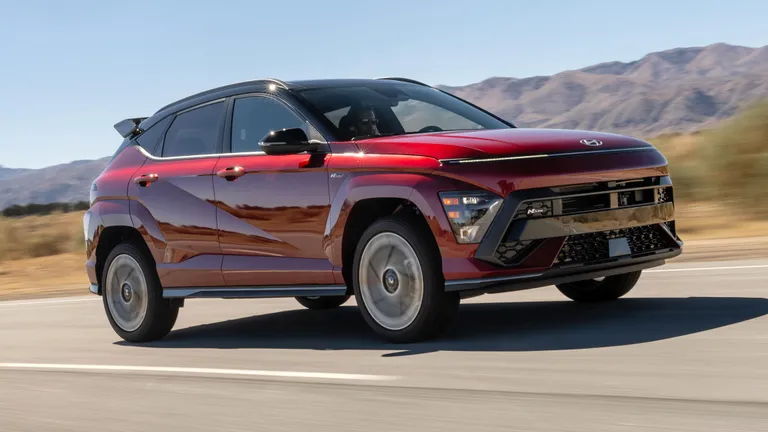
Short answer: A retired service loaner is a late-model car that a dealership lent to service customers and then retired from its loaner fleet to sell. It usually has low miles and a full dealer service history, and it's typically priced below a comparable new car. The key thing to check is the in-service date, because the factory warranty clock started when the car became a loaner, not when you buy it.
Introduction
If you've browsed our inventory, you may have seen vehicles labeled "retired loaner" or "retired demo." They often look brand new, have only a few thousand miles, and cost less than the same model fresh off the truck. It's natural to wonder what the catch is.
There isn't a catch, but there are trade-offs worth understanding. This guide explains what a retired service loaner is, how it compares with new, used and certified vehicles, how the warranty works, and a checklist of what to look for before you buy one in Blue Springs.
What Is a Retired Service Loaner?
When you bring your car in for service, many dealerships offer a loaner vehicle so you can keep your day moving. Those loaners are usually current or recent model-year vehicles. After a period of time or a certain number of miles, the dealership retires them from the loaner fleet and offers them for sale.
Because they've been part of the dealership's own fleet, retired loaners are typically maintained on schedule by the same service department that works on customer vehicles.
Retired loaner vs. demo vs. used vs. certified
| Type | How it was used | Typical miles | Price vs. new |
|---|---|---|---|
| New | Never titled or put into service | Delivery miles only | Full price, all new-car incentives |
| Retired service loaner | Lent to service customers | Low | Typically lower |
| Retired demo | Test drives or staff use | Low | Typically lower |
| Certified used | Previously owned or leased; passed a manufacturer inspection | Varies (Hyundai: 80,000 or less) | Lower, with added warranty |
| Used | Previously owned or leased | Varies widely | Lower |
Why Retired Loaners Cost Less
- They've been put into service. Once a vehicle has been registered and driven as a loaner, it can no longer be sold as a never-used new car in the usual way, so it's priced below a comparable new one.
- They have some miles. Even a few thousand miles changes how the vehicle is valued.
- Some warranty time has been used. The factory warranty clock started when the car went into service.
In return, you usually get a late-model vehicle with current features and safety technology, low mileage, and a documented service history, for less than buying new.
How the Warranty Works on a Retired Loaner
This is the most important part to understand. Factory warranty coverage is generally counted from the vehicle's original in-service date, the day the dealership first put it into service, not the day you buy it.
Example
Say a loaner went into service in January 2026, and you buy it in November 2026 with 6,000 miles. Hyundai's 5-year/60,000-mile new vehicle limited warranty would run until January 2031 or 60,000 miles on the odometer, whichever comes first. You'd have about 4 years and 2 months and 54,000 miles of that coverage left.
Illustrative example only. Actual coverage depends on the specific vehicle's in-service date, mileage and the warranty terms that apply to it.
Hyundai Certified Used coverage
How a retired loaner is sold affects your coverage. If the vehicle is sold as a Hyundai Certified Used Vehicle, it comes with these benefits from Hyundai's program:
| Benefit | Hyundai Certified Used Vehicle |
|---|---|
| Eligibility | 6 model years old or newer, 80,000 miles or less |
| Inspection | 173-point inspection |
| Comprehensive warranty | Remainder of the 5-year/60,000-mile new vehicle warranty, from the original in-service date |
| Powertrain warranty | 10 years/100,000 miles from the original in-service date |
| Deductible | $50 per repair visit |
| Roadside assistance | 10 years/unlimited miles, 24/7 |
| Rental car reimbursement | $35/day, up to 10 days, for covered powertrain repairs |
Coverage details and limitations apply. Ask our team for the full terms on any specific vehicle.
Not every retired loaner is sold as Hyundai Certified, so always ask. Learn more about the program on our Hyundai Certified Used Vehicles page.
Pros and Cons of Buying a Retired Loaner
| Pros | Cons |
|---|---|
| Typically priced below a comparable new vehicle | Some factory warranty time and miles already used |
| Low miles on a current or recent model year | Driven by multiple people, so check for minor wear |
| Maintained by a dealership service department | Limited choice of colors, trims and options |
| Documented service history | May not qualify for every new-car incentive or rate |
| Available now, no factory order wait | Popular models sell quickly |
Checklist: What to Check Before You Buy
- In-service date. Ask for it in writing. It tells you how much warranty time is left.
- Exact mileage. Compare it with the in-service date to see how hard the car was used.
- Remaining warranty coverage. Ask the dealership to confirm by VIN which coverage applies and when it ends.
- Certified status. Find out whether the vehicle is sold as Hyundai Certified Used, and get the documentation.
- Service records. Request the maintenance history, including oil changes and tire rotations.
- Open recalls. Enter the VIN at NHTSA.gov/recalls, or ask service to confirm all recalls are complete.
- Condition. Look closely at seats, carpets, wheels and bumpers for wear from multiple drivers.
- Tires and brakes. Check tread depth and ask about brake pad life.
- Incentives and financing. Ask which offers and interest rates apply. Rates and incentives for new and used vehicles can differ.
- The paperwork. Review the window sticker or Buyers Guide and the sales contract before you sign.
Is a Retired Loaner Right for You?
- Choose a retired loaner if you want a nearly new vehicle with current features, are flexible on color and trim, and want to spend less than new.
- Choose new if you want the full warranty starting on your purchase date, a specific color or trim, or a new-car financing offer.
- Choose certified used if you want the extended powertrain coverage and a wider range of model years and prices.
Comparing certified and new? Read our guide on certified pre-owned vs. new Hyundai.
See Retired Loaners at McCarthy Hyundai
Browse our current retired loaner and demo inventory, then ask us for the in-service date, mileage and warranty details on any vehicle. We'll show you exactly what coverage is left before you decide. Call (816) 224-7500.
Shop Retired Loaners Certified Used Get Pre-QualifiedFrequently Asked Questions
What is a retired service loaner?
A retired service loaner is a current or recent model-year vehicle that a dealership used as a free loaner car for service customers and then removed from its loaner fleet to sell. These vehicles usually have low miles and have been maintained by the dealership's service department.
Is it a good idea to buy a retired loaner car?
For many buyers, yes. A retired loaner is typically priced below a comparable new vehicle, has low miles and has a documented service history. The trade-offs are that some factory warranty time has already been used and the car has had multiple drivers, so check its condition, mileage, in-service date and remaining warranty before you buy.
When does the warranty start on a retired loaner?
Factory warranty coverage is generally counted from the vehicle's original in-service date, which is when the dealership first put it into service as a loaner, not the date you buy it. Ask for the in-service date so you know exactly how much time and mileage is left.
Does a retired Hyundai loaner get the 10-year/100,000-mile powertrain warranty?
It depends on how the vehicle is sold. A Hyundai Certified Used vehicle receives a 10-year/100,000-mile powertrain limited warranty from the original in-service date, plus the remainder of the 5-year/60,000-mile new vehicle warranty, with a $50 deductible per repair visit. Ask whether a specific retired loaner is Hyundai Certified and get the coverage details in writing.
What is the difference between a retired loaner and a demo car?
A service loaner is lent to service customers while their cars are being repaired. A demo is typically used by the dealership for test drives or driven by staff. Both are late-model vehicles with some miles, and both are usually priced below a comparable new car.
How can I check a retired loaner for recalls?
Enter the vehicle's 17-character VIN at NHTSA.gov/recalls to see any open safety recalls. You can also ask the dealership's service department to confirm that all recalls and service campaigns have been completed.
Conclusion
A retired service loaner can be one of the smartest ways to get a nearly new car for less. You get a late-model vehicle with low miles and a dealer-maintained history, typically at a lower price than new. Just remember that the warranty clock started on the in-service date, so ask for that date, confirm the remaining coverage and find out whether the vehicle is Hyundai Certified before you buy.
Ready to look? Browse retired loaners or visit McCarthy Hyundai Blue Springs and ask our team for the full details on any vehicle.